

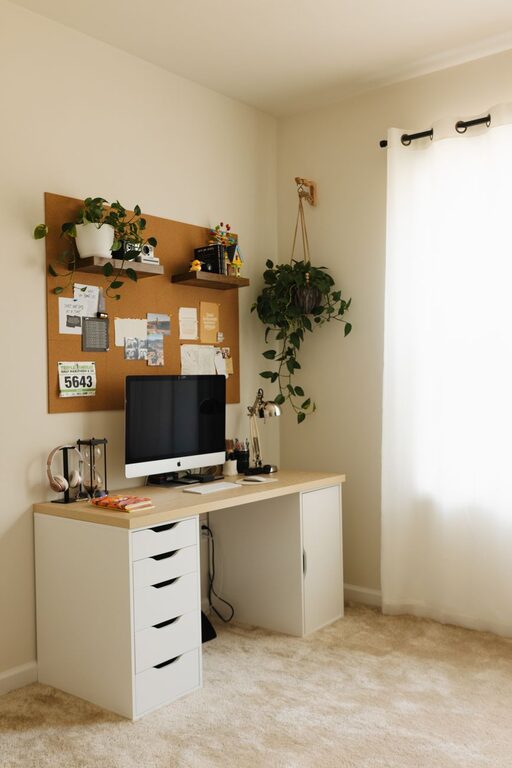
Creating a productive home office space can make a significant difference in your work efficiency and overall well-being. Whether you’re working remotely full-time, freelancing, or managing personal projects, a well-designed workspace helps you stay focused and motivated throughout the day. Here are some practical tips to help you create an effective home office environment.
Choose the Right Location
Start by selecting a spot in your home that suits your work style and needs.
– Quiet and private: Ideally, pick a room or corner away from noisy areas like the kitchen or living room.
– Natural light access: Position your desk near a window if possible to enjoy natural daylight, which can improve mood and energy levels.
– Space to move: Make sure the area is large enough to accommodate your desk, chair, and any necessary equipment without feeling cramped.
Invest in Comfortable and Functional Furniture
Comfort plays a crucial role in maintaining focus during long work hours.
– Ergonomic chair: Choose a chair that supports your back and encourages good posture to avoid discomfort or pain.
– Appropriate desk height: The desk should allow your arms to rest comfortably with your wrists straight while typing.
– Adjustable options: If possible, consider a sit-stand desk that lets you alternate between sitting and standing throughout the day.
Set Up Efficient Lighting
Correct lighting reduces eye strain and helps you stay alert.
– Layered lighting: Combine natural light with ambient lighting and task lighting.
– Desk lamp: Use a lamp with adjustable brightness focused on your work surface.
– Avoid glare: Position screens and light sources to minimize reflections and eye strain.
Organize Your Workspace
A clutter-free environment promotes mental clarity and productivity.
– Declutter regularly: Remove items you don’t need or use from your desk.
– Storage solutions: Use shelves, drawers, or containers to keep documents and supplies organized.
– Cable management: Use clips, ties, or sleeves to keep cords tidy and out of sight.
Personalize Your Space Wisely
Adding personal touches can boost motivation but avoid distractions.
– Inspiring decor: Hang artwork, plants, or photos that uplift your mood.
– Functional accessories: Include a calendar, whiteboard, or bulletin board to keep track of tasks and deadlines.
– Limit distractions: Keep your workspace reserved for work to help your brain associate it with focus.
Establish Clear Boundaries
Separating work time from personal time is essential, especially when working from home.
– Set work hours: Define specific start and end times for your workday.
– Use signals: Let family or housemates know when you’re in work mode by closing doors or using a “do not disturb” sign.
– Break spaces: Have a different area for breaks to mentally step away from work tasks.
Optimize Technology and Tools
Reliable technology supports smooth work transitions and reduces frustration.
– Fast internet: Ensure your internet connection can handle video meetings, uploads, and downloads efficiently.
– Multi-monitor setup: If your work involves multiple applications or multitasking, consider adding a second monitor.
– Essential peripherals: Invest in a quality keyboard, mouse, and headset for comfort and functionality.
– Backup plan: Have a power backup or surge protector to prevent data loss during outages.
Incorporate Healthy Habits
Your workspace should support your physical and mental health.
– Regular breaks: Follow the 20-20-20 rule—every 20 minutes, look at something 20 feet away for 20 seconds.
– Movement: Stretch or walk a few minutes each hour to reduce stiffness.
– Hydration and snacks: Keep water and healthy snacks nearby to stay energized without leaving your workspace frequently.
Maintain Your Workspace
Keep your home office productive over time with consistent upkeep.
– Daily tidying: Spend a few minutes at the end of each day organizing your desk.
– Weekly review: Clean screens, dust surfaces, and check supplies regularly.
– Adjust as needed: Modify your setup as your work style or equipment changes.
—
By thoughtfully designing your home office to meet your physical comfort, organizational needs, and work habits, you can create a space that inspires productivity and balance. Remember, your workspace should evolve with your workflow and lifestyle, so don’t hesitate to experiment and find what works best for you.