

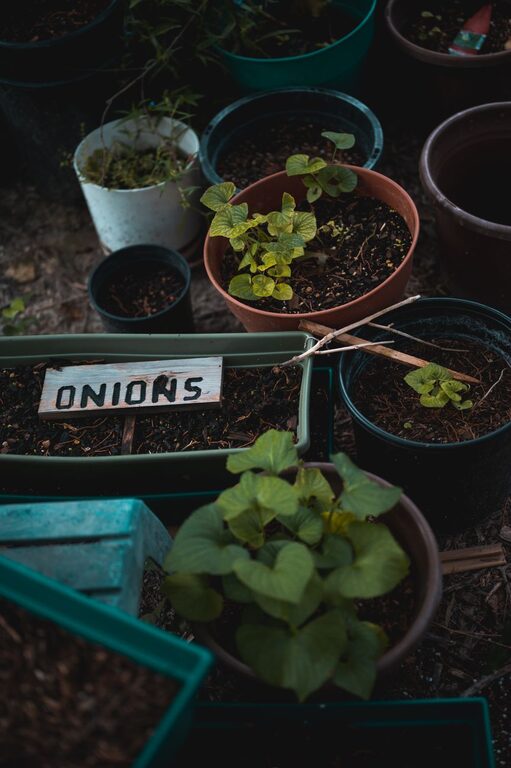
Creating a sustainable garden in a small space may seem challenging, but with the right approach, it’s totally achievable. Whether you have a tiny balcony, a small patio, or just a corner of your yard, you can cultivate a thriving, eco-friendly garden that benefits both you and the environment. This guide offers practical tips to help you design and maintain a sustainable garden, maximizing your limited space while minimizing waste and resource use.
Why Choose Sustainable Gardening?
Sustainable gardening focuses on growing plants in ways that support long-term ecological balance. It emphasizes using resources wisely, promoting biodiversity, and reducing harm to the environment. In small spaces, this means you can create a green oasis that conserves water, reduces waste, and provides habitat for pollinators—even in an urban setting.
Planning Your Small Sustainable Garden
Before planting, take time to plan carefully. This ensures your space is used efficiently and sustainably.
Assess Your Space
– Measure your area: Knowing exact dimensions helps in choosing the right containers and plants.
– Check sunlight: Observe how much direct and indirect sunlight your space receives through the day.
– Note wind and shade: Windy or shaded spots may require different plant choices.
Choose the Right Plants
– Pick native plants that thrive naturally in your climate—these will need less water and care.
– Consider edible plants such as herbs or vegetables, even in containers, to make your garden more functional.
– Choose compact or dwarf varieties suited to small spaces.
Sustainable Gardening Techniques for Small Spaces
Container Gardening
Containers allow you to garden in places without soil or traditional garden beds. Here’s how to make container gardening sustainable:
– Use recycled pots or repurpose household items like buckets or wooden crates.
– Ensure good drainage to avoid water waste and root rot.
– Use organic soil mixes enriched with compost.
Vertical Gardening
Maximize vertical space to double your growing area:
– Install trellises, wall-mounted planters, or hanging baskets.
– Grow climbing vegetables like peas or beans.
– Try vertical herb gardens using stacked pots or pocket planters.
Composting
Even in small spaces, composting helps reduce waste and enrich your soil:
– Use a small compost bin or a worm composting bin (vermicompost).
– Compost kitchen scraps like vegetable peelings, coffee grounds, and eggshells.
– Avoid meat, dairy, and oily foods in your compost.
Water Conservation
Water wisely to protect this precious resource:
– Use rainwater harvesting by placing a barrel to collect runoff from a roof or balcony.
– Water early in the morning or late in the evening to minimize evaporation.
– Use mulch to keep soil moist and prevent weeds.
– Group plants with similar watering needs together.
Avoid Chemicals
Replace synthetic fertilizers and pesticides with natural alternatives:
– Use compost or organic fertilizers to feed plants.
– Encourage beneficial insects like ladybugs and bees by planting flowers and herbs.
– Employ companion planting to naturally deter pests.
Encourage Biodiversity
Even small gardens can support local wildlife:
– Plant a variety of flowers to attract different pollinators.
– Provide small water sources like a shallow dish with stones.
– Avoid chemicals that harm beneficial species.
Additional Tips for Small Space Gardeners
– Keep tools and supplies organized with compact storage solutions.
– Rotate crops in containers to keep soil healthy.
– Learn from local community gardens or gardening groups for advice and plant swaps.
– Regularly observe your garden and adjust practices as needed.
Conclusion
A sustainable garden can thrive even in the smallest spaces with thoughtful planning and care. By choosing suitable plants, conserving resources, and fostering biodiversity, your garden will not only be a peaceful retreat but also contribute positively to the environment. Start small, stay consistent, and enjoy watching your green space flourish sustainably!
Happy gardening!