

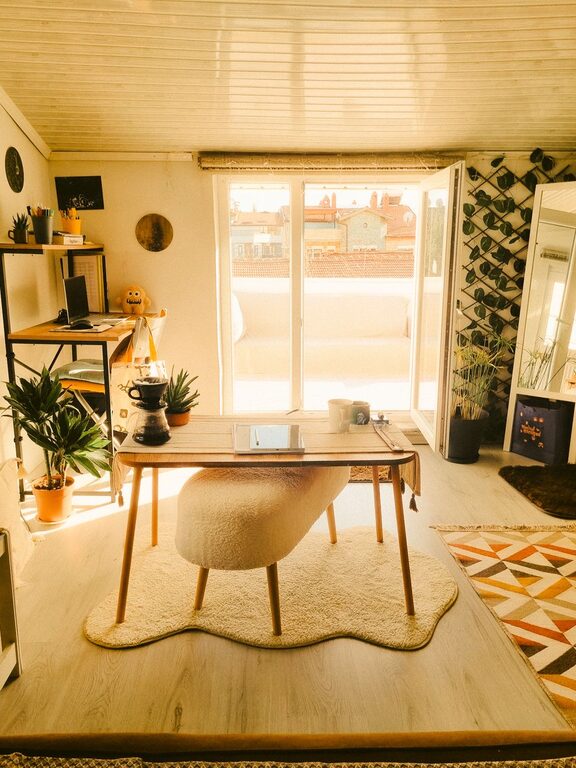
Working from home has become a common part of many people’s lives, and creating a relaxing home office environment is key to staying focused and maintaining well-being. A calm and comfortable workspace can help reduce stress, improve productivity, and make your workday more enjoyable. In this post, we’ll explore practical tips that can help you design a home office that feels inviting and supports your best work.
1. Choose the Right Location
Selecting the right spot for your home office is the first step in creating a relaxing environment.
– Quiet and Private: Try to find a space where you won’t be easily disturbed by household noise or traffic.
– Natural Light: If possible, set up your desk near a window to enjoy natural daylight, which can boost your mood and energy levels.
– Away from Distractions: Avoid placing your workspace near TV rooms or busy areas to minimize interruptions.
2. Invest in Comfortable Furniture
Comfort plays a vital role in creating a relaxing space. Here are some furniture tips:
– Ergonomic Chair: Choose a chair that supports your back properly and allows you to sit comfortably for long periods.
– Adjustable Desk: Consider a desk with adjustable height so you can alternate between sitting and standing.
– Adequate Surface Space: Make sure your desk has enough space for your computer, paperwork, and office supplies without feeling cluttered.
3. Keep Your Space Organized
A clutter-free environment helps reduce stress and improves focus. Use these organizing tips:
– Storage Solutions: Use shelves, drawers, or filing cabinets to keep documents and supplies neatly stored.
– Desk Accessories: Use trays, pencil holders, and cable organizers to keep your desk tidy.
– Minimalist Approach: Keep only essential items on your desk to maintain a clean, distraction-free zone.
4. Choose Soothing Colors and Decor
The colors and decorations in your home office affect your mood and productivity.
– Calming Colors: Soft blues, greens, and neutrals can promote calm and concentration.
– Personal Touches: Add elements that make you feel happy and motivated, such as photos, art, or plants.
– Limit Overcrowding: Avoid too many decorations, which can make the space feel busy rather than relaxing.
5. Incorporate Plants for a Calmer Atmosphere
Plants do more than just beautify your space—they also improve air quality and reduce stress.
– Easy-care Plants: Consider low-maintenance options such as succulents, pothos, or snake plants.
– Placement: Position plants where they get adequate light but won’t clutter your workspace.
– Benefits: Studies show that plants can increase productivity and promote feelings of well-being.
6. Manage Lighting for Comfort
Proper lighting is essential for reducing eye strain and creating a welcoming atmosphere.
– Natural Light: Maximize daylight when possible but use blinds or curtains to prevent glare.
– Task Lighting: Add a desk lamp with adjustable brightness for detailed work.
– Ambient Lighting: Use soft, warm lights to avoid harsh overhead lighting.
7. Minimize Noise and Distractions
A calm environment often means fewer distractions.
– Noise-cancelling Headphones: Use these if outside noises are common.
– Background Sounds: Some find white noise, soft music, or nature sounds helpful for focus.
– Set Boundaries: Let household members know your work hours to minimize interruptions.
8. Add Comfort Elements
Small touches can increase your comfort and make your office a place you enjoy spending time.
– Soft Textiles: A cozy rug, cushions, or a comfortable throw can make the space inviting.
– Temperature Control: Keep the room at a comfortable temperature with a fan, heater, or by adjusting windows.
– Hydration Station: Keep a water bottle or tea nearby to stay refreshed throughout the day.
9. Take Regular Breaks
A relaxing workspace goes hand-in-hand with healthy work habits:
– Stretch and Move: Stand up and stretch every hour to reduce muscle tension.
– Change Views: Look away from screens periodically to rest your eyes.
– Mindfulness Moments: Short breathing exercises or meditation can help refresh your mind.
Conclusion
Designing a relaxing home office environment doesn’t have to be complicated or expensive. By creating a space that feels comfortable, organized, and personalized, you can enjoy increased focus and a better work-life balance. Start with small changes—like adding a plant or organizing your desk—and build a workspace that truly supports your well-being and productivity.