

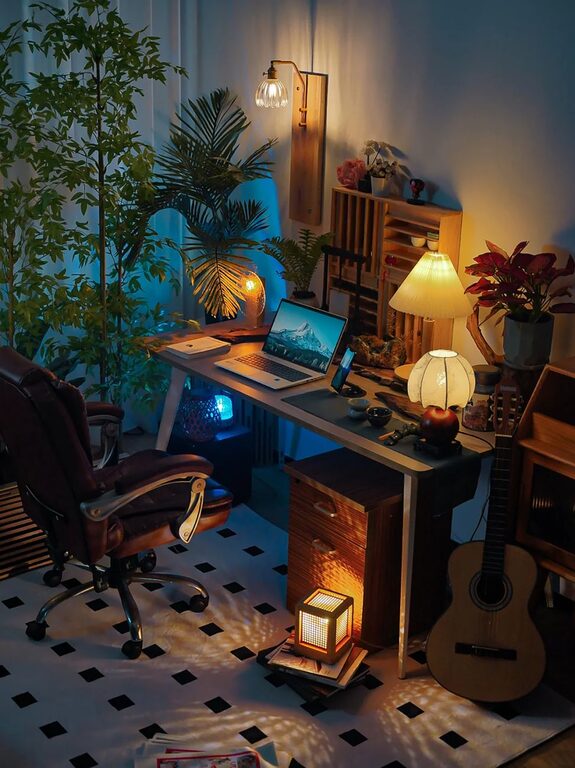
Creating a cozy and inviting home office is essential for staying productive and comfortable while working from home. Whether you have a dedicated room or a small corner, transforming it into a space you enjoy spending time in can make a significant difference in your workday. Below are helpful tips to guide you through the process of designing a home office that feels both welcoming and functional.
1. Choose the Right Location
Before adding furniture or decor, consider where your home office will be located. Ideally, it should be a quiet area with enough natural light. If possible, select a spot away from household distractions like the TV or high-traffic areas. Natural light helps reduce eye strain and creates an uplifting atmosphere, so position your desk near a window if you can.
If space is limited, corners or even a niche can be creatively used to establish your work zone.
2. Invest in Comfortable, Supportive Furniture
Your choice of furniture impacts both your comfort and productivity. Here are key pieces to consider:
– Ergonomic Chair: A chair with good lumbar support helps prevent back pain during long hours of work.
– Functional Desk: Choose a desk that fits your space and has enough surface area for your computer, notebooks, and accessories.
– Storage Solutions: Incorporate shelves, drawers, or baskets to keep your workspace tidy.
Comfortable furniture not only supports your body but also encourages longer focus and reduces fatigue.
3. Personalize with Warm Colors and Textures
Color plays an important role in setting the mood. Warm tones such as soft beige, warm grays, or gentle pastels can create a cozy ambiance. Avoid overly bright or harsh colors that might cause distractions.
Adding textures through rugs, cushions, or curtains introduces softness and warmth. For example:
– A plush area rug can add comfort underfoot.
– Soft throw pillows on a nearby chair make a nice touch.
– Drapes with natural fibers like linen create a homey feel.
These elements help make the office feel inviting rather than sterile.
4. Optimize Lighting Layers
Good lighting is key to an inviting workspace. Aim for a combination of:
– Natural Light: As mentioned, position your desk near a window.
– Ambient Lighting: Ceiling lights provide overall illumination.
– Task Lighting: A desk lamp with adjustable brightness supports focused work.
Avoid glare and shadows on your computer screen by placing lights strategically. Lighting that can be dimmed or adjusted throughout the day helps reduce eye strain and sets a comfortable tone.
5. Keep Organized and Clutter-Free
Clutter can be a major distraction and make your space feel less welcoming. Use these organization strategies:
– Utilize drawer dividers and organizers for small items.
– Use labeled storage bins for supplies.
– Keep only what you need on your desk surface.
A tidy workspace promotes calmness and efficiency, making you more likely to enjoy spending time there.
6. Add Personal Touches That Inspire
Decorate your home office with items that motivate and delight you without overcrowding the space. Ideas include:
– Framed photos or artwork
– Plants for a touch of nature and improved air quality
– Inspirational quotes or vision boards
Personal touches give your workspace character and make it uniquely yours.
7. Incorporate Greenery for a Fresh Feeling
Plants not only add color but can improve air quality and mood. Easy-to-care-for options like succulents, snake plants, or pothos thrive indoors and require minimal maintenance.
Place them on shelves, your desk, or windowsills to breathe life into your office.
8. Use Technology to Stay Comfortable
Consider upgrading your tech to enhance comfort:
– Wireless keyboard and mouse reduce cable clutter.
– A monitor stand helps position your screen at eye level.
– Noise-canceling headphones can minimize distractions.
These tools can make your office feel more professional and comfortable.
9. Create Zones If Space Allows
If your home office is large enough, define different functional zones:
– Work zone: Desk and computer setup.
– Reading or brainstorming area: Comfortable chair and good lighting.
– Storage zone: Shelves or cabinets.
Separating areas can help you focus better and switch between tasks effectively.
10. Keep It Flexible and Adaptable
Finally, keep your home office adaptable to your changing needs:
– Use furniture on wheels for easy rearrangement.
– Keep some blank wall space for notes or whiteboards.
– Regularly reassess and declutter your space.
Flexibility ensures your workspace stays inviting and efficient over time.
—
Final Thoughts
A cozy and inviting home office is within reach by focusing on comfort, personalization, and organization. Thoughtful choices in furniture, lighting, and decor can transform any space into a productive retreat. Remember, the best workspace is one that works for you — promoting both focus and well-being.
Take time to create a home office that feels welcoming and encourages your best work every day!